

Travel Tips
Senior travelers should thoroughly research their trips, select appropriate travel protection options, and stay open to the experience to find the sweet spot between preparedness and exploration.
Christine Raimer, Digital Commerce Leader
·Published on January 6th, 2026
Senior travel is about having the freedom to say “yes” to different experiences, from connecting with loved ones to exploring new places. The right travel tips for senior citizens can make all the difference, especially for those with pre-existing conditions or limitations.
Services like Emergency Assistance Plus® (EA+®) simplify protection for older travelers by providing logistical, transportation, and repatriation support. Travel membership assistance programs have grown in popularity between 2021 and 2024, possibly in part due to the absence of pre-existing condition exclusions.
This guide is full of tips to help seniors safely plan and embark on a vacation anywhere in the world, so you can travel with peace of mind.
Senior travel groups are a great way to meet like-minded people while taking the stress out of planning complicated itineraries on your own. Simply sit back and explore new sites with every detail taken care of, from your lodging to your transportation.
Here are a few reputable senior travel groups to consider:
You can also research local options to find the right fit. There are about 538,060 global travel agency services active in 2024, offering plenty of trip-planning support. Keep an eye out for companies that cater to specific travel styles, such as adventure, luxury, or wellness-based.
While it’s wonderful to have the opportunity to forge new bonds on small group tours, people who’ve known each other for decades getting to experience an unforgettable trip together can bring out new levels of friendship. It’s a way to get to know people much better, and more enjoyable to see familiar faces in unfamiliar lands.
Rather than taking a solo trip or joining a tour with total strangers, consider bringing someone along. Suitable senior travel buddies could include a fellow senior citizen, friend, or family member.
It’s understandable if a person is apprehensive about visiting a part of the world where the U.S. State Department has issued a travel advisory or even where there’s been dramatic news coverage. People have to take their safety into account when they travel, as while incidents overall are rare, things can happen.
As the Seattle Times noted in October 2023, “Travel will always be dangerous, to a certain extent. Even the safest places can be problematic.”

With organized travel tours, senior citizens get a line of defense. They get a company with experienced tour directors and other staff who can plan a reasonably safe itinerary of excursions. They get a group to travel in, offering the proverbial safety in numbers. And they get activities planned with their age group in mind.
Many people travel in the summer, with June and July generally the most popular months. The timing makes sense for families with children out of school and the weather warming up.
However, seniors can take advantage of year-round travel and off-peak deals because that limitation isn’t a factor.
It might mean tolerating a bit of inclement weather, but it can mean fewer crowds and a lot of saved money on things like hotels. Off-peak travel is often more affordable, less crowded, and may even have better availability for lodging and activities.
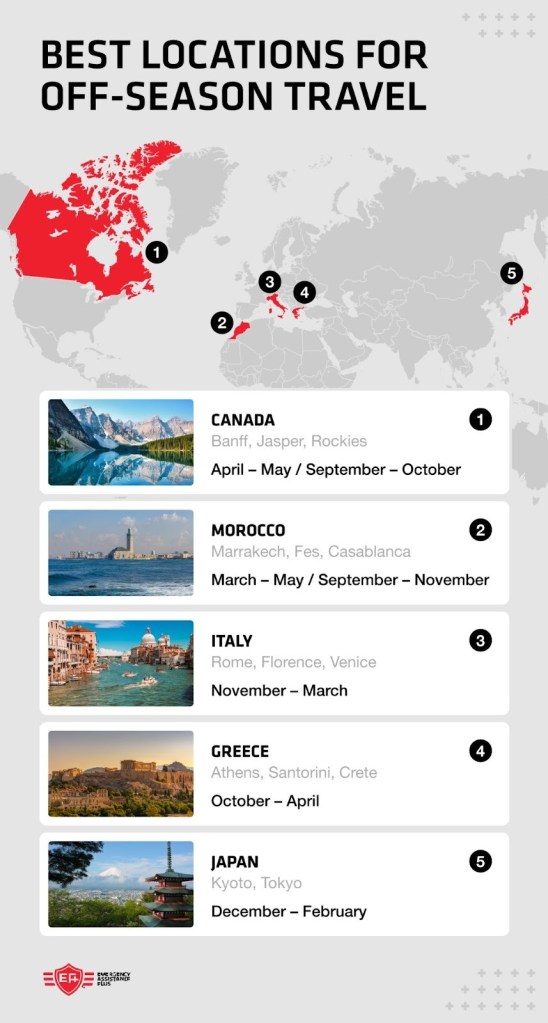
Consider destinations like Spain, Rome, and Kyoto in spring or fall months when temperatures are milder, and crowds are thinner. If you can handle the heat, head to the Caribbean, Southeast Asia, or Central America during the summer months for off-peak advantages like fewer crowds.
By this same token, it’s also smart to keep an open mind about where trips or organized tours might wind up. It’s never too late to mix new places into the repertoire, whether it’s Oktoberfest in Munich, Germany, or cherry blossom season in Kyoto.
Being open to other destinations lets you select more affordable locations and purchase fares and accommodations that are on sale. Even if you have a specific region in mind, you can be flexible on the airline, hotel, and tour services you use to find the best deal.
Location flexibility also helps to dissolve pre-conceived notions about unknown places, perfect for curious, enrichment-based travelers. For example, seniors who wonder if Mexico City is safe might research secure neighborhoods and ex-pat communities they may not have uncovered at first glance.
One of the most important travel tips for seniors is to carefully choose a senior-focused travel protection plan that provides assistance if you experience:
There are different types of travel protection options to choose from. One route is to invest in travel insurance on a per-trip or annual basis, depending on how much you travel. Insurance plans usually reimburse medical expenses and trip cancellations.
Travel assistance plans like EA+ shine when it comes to an emergency abroad, supporting in the case of an unexpected injury or illness. You can purchase a travel protection plan alongside travel insurance for more protection.
Learn moreIt may seem convenient to have everything with you while abroad, but carrying around luggage after overpacking can quickly become a burden. This is especially problematic for seniors with mobility or strength issues, made more challenging by longer or multi-destination trips.
To start, invest in luggage that’s easy to transport, such as a rolling bag. Use packing cubes to keep things organized and compressed, which frees up real estate in your suitcase.
Dress in thin, breathable layers that let you adjust to micro-climate changes and reduce bulk. Keep medications, travel documents, and emergency contacts well-organized and in a dedicated compartment for easy access.
Being flexible with your travel dates and locations is one way to help reduce overall trip costs, but stacking that with other senior travel budget tips can really maximize your savings.
For example, a wide array of popular travel brands offer senior discounts, including:
When possible, make your larger travel purchases, like flights or hotels, on major sale days (such as Black Friday or Labor Day) to maximize savings. Otherwise, booking flights and accommodations well in advance saves money, since prices often rise closer to the travel date. On the trip itself, save money by picking low-cost activities like beach days or self-guided city tours.
When traveling solo, it’s important to make additional considerations to ensure safety, increase socialization opportunities, and stay independent. Joining a senior travel group is one way to stay connected while traveling, providing both comfort and accountability.

Make sure you have a well-organized plan for any medications or documents you carry abroad. Scan digital copies of any IDs or medical documents with contact info in the case of an emergency. Take note of your local embassy’s location, and carefully review the crime indexes and reviews of neighborhoods before booking accommodations.
Long days in the airport can take their toll on even the fittest of travelers, and seniors should take extra precautions to avoid burnout. Take advantage of airport assistance services whenever necessary.
Having airline privileges like TSA PreCheck® simplifies and expedites the security process, and only costs $85 for a five-year membership. Investing in seats with legroom also makes trips more comfortable without the first-class price tag. Compression socks, a neck pillow, and a reusable water bottle are a must, especially on long hauls.
Look for hotels, rentals, and cruise cabins that have senior-friendly features. You can confirm this with the property beforehand, asking about:
Properties with on-site amenities, like hot tubs and convenience stores, can provide relief after long sightseeing or adventure days. You can enjoy them in the comfort of your own hotel, and they’re often worth the investment.
If you’re traveling with a pre-existing condition, make sure there’s a sufficient medical facility nearby, or consider investing in a travel assistance program like EA+ to make sure you have emergency transportation in case of an accident.
One of the best senior travel tips is to embark on a cruise. When selecting your cabin, make sure it can accommodate your mobility needs. While your ship passes through waterways, you can enjoy onboard amenities, top-tier entertainment, and breathtaking views from the deck.
The destination is part of the cruise, and you choose between an active excursion or a relaxing day on the ship, depending on your preference. Make sure that your shore excursions of choice align with your activity levels, taking note of which require extended periods of walking or uneven, elevated trails.
Familiarize yourself with onboard medical centers, which often offer emergency assistance and physician care for minor injuries and illnesses.
Cross-country road trips let seniors slow down, savor the journey, and fully immerse themselves in a travel adventure. It’s a popular option for seniors on a budget and ideal for senior citizens traveling through the United States.
Set up your lodging or RV stops in advance, or use an app like Allstays or Roadtrippers to find campsites and pull-throughs that cater to seniors. Choose an accessible RV with easy entry, wide walkways, and invest in supportive cushions that lessen the strain of driving.
Unfortunately, scammers often target seniors, sometimes with fake booking sites that promise deep discounts or last-minute fares. They’re designed to steal your personal and payment details without your knowing. Make sure to book from reputable travel sites to avoid cyber threats while planning travel.
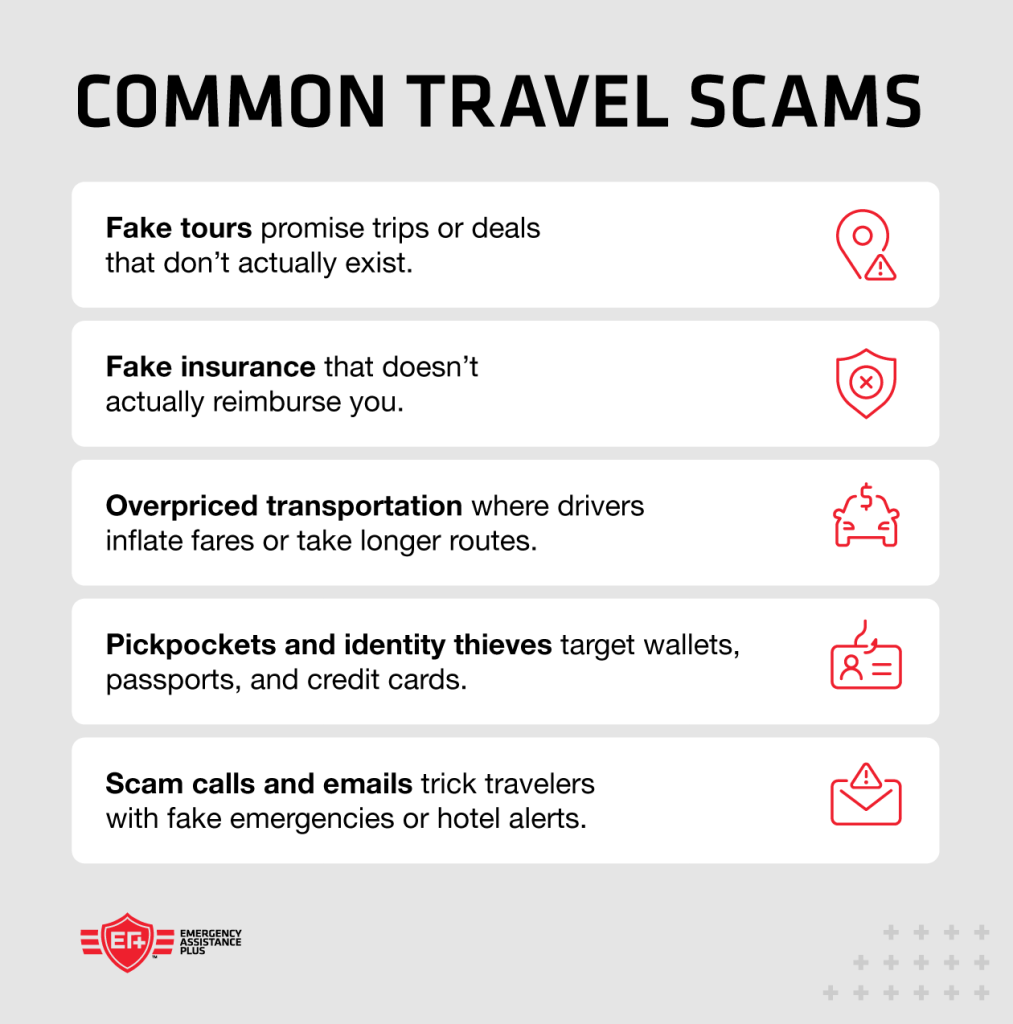
When abroad, if possible, use hotel safes for any irreplaceable items before exploring a destination. Make sure to prepare for the worst-case scenario while hoping for the best. EA+ offers document replacement assistance if you experience theft, helping you get back on track in an emergency.
There are many reasons to diligently prepare before your travel experiences. You can maintain your health routine, stay organized, and protect your trip with forethought.
It’s understandable if you’re apprehensive about visiting a part of the world where the U.S. State Department has issued a travel advisory or even where there’s been dramatic news coverage. That said, safety should be considered everywhere you travel, since unexpected incidents can happen in any destination, even where incidents are less common.
Organized travel tours offer an additional line of defense since they keep track of attendees for an added layer of security. Tour directors and other staff also curate a reasonably safe itinerary of excursions that accommodate your mobility level.
It gets harder to make new acquaintances once you no longer go into an office or other place of work each day. Vacations make this easier. Whether on a bus, tour, or sharing a drink in the hotel bar, people from different walks of life often connect abroad.
Lasting friendships often form, and there’s even a chance that if you’re traveling unattached, you may meet new romantic partners—in a recent survey of Americans who’d traveled internationally, 23 percent said they’d met their spouse while on vacation.
If you’re no longer in the routine of a 40-hour work week, you may find it challenging to stay active, leading to malaise and physical issues like weight gain and high blood pressure.
Travel is an excellent solution, whether it’s going on walking tours through museums, dancing with a loved one in a plaza in Florence, Italy, or—for those who prefer less walking or active vacations—lounging on the deck of a cruise ship.
No matter your age, it’s wise to look after your mental health, whether by eating well, exercising, or taking time for yourself to rest. For seniors, this is especially important. Columbia University Irving Medical Center noted in 2022:

The good news is that there are many activities people can engage in to either lessen the risk of developing memory issues or to reduce how much these issues interfere with their quality of life. Consistent travel has shown a 36.6% reduction in mortality risk and a 47% decrease in Alzheimer’s riskthrough culturally stimulating activities.
Travel preparation is essential for seniors, whether you’re traveling to one of the most dangerous countries or taking a domestic trip. When the time comes to embark on your next adventure, be sure to bring along Emergency Assistance Plus (EA+) for the journey.
We deliver advantages for our members, including:
To learn more about how we help protect travelers on all trips, take a look at our membership details and explore our plans.
Enroll nowThese are the most commonly asked questions about senior travel to better help you prepare for future trips.
To travel safely as a senior, make sure to stay in reputable properties and cities when traveling abroad. Also, make sure you have medical and evacuation protection in the case of an emergency. Consider traveling in groups or on guided tours for support and company nearby.
TSA allows travelers over the age of 75 to keep their shoes on during screenings, and elderly travelers can request modified security once they enter the screening area of an airport.
An aisle seat is often the best choice, with easy access to the bathroom and the option to stand as needed for longer flights. Seats with extra legroom also enhance the experience, allowing the legs to extend, which increases blood circulation.
The golden rule of retirement travel is to put your comfort and health first. Take advantage of off-season vacationing to beat the crowds. Most importantly, plan your trip well ahead of time and carefully consider all logistics so you feel prepared in an emergency.
You should pack light, stay organized, and put contingency plans like emergency travel memberships or travel insurance in place to make sure you’re fully protected while away from loved ones and familiar medical facilities.
Christine leads the digital and online experiences for Emergency Assistance Plus (EA+) and strives to delight visitors with engaging content and intuitive design. Christine is an avid backpacker, having recently completed the Colorado Trail and can often be found road tripping around the U.S. in her camper van, exploring beautiful destinations. A longtime EA+ member herself, Christine feels confident when traveling to new locations, because she knows that she’ll be protected if a medical emergency occurred while away from home.


Travel Tips · January 30, 2026

Travel Tips · January 7, 2026

Travel Tips · January 5, 2026

Travel Tips · November 28, 2025

Travel Tips · November 26, 2025

Travel Tips · October 31, 2025
