

Travel Tips
The average vacation cost in the United States is $2,275 per person per week of travel. Transportation, lodging, food, and entertainment make up the majority of the cost.

Christine Raimer, Digital Commerce Leader
·Published on January 7th, 2026
Travelers are looking ahead to 2026, with a Marriott Bonvoy survey showing that 91% of Americans have plans to head to their dream destinations in the new year. With so many costs and factors associated with trip planning, it’s important to understand the average vacation cost breakdown to stick to a clear budget.
This guide clarifies the average cost of a vacation, categorizing and itemizing each expense to help you prepare for your next journey. We’ll also share the best tips for saving money while booking so you can stretch your dollar further.
Your budget could also be affected by a costly medical emergency, which could add a significant expense to your overall trip. To protect your vacation, we’ll outline the must-have features in a travel assistance plan like Emergency Assistance Plus® (EA+®) and how it can protect you from the expense of medical transportation and repatriation, giving you peace of mind on your next adventure.
The average cost of a one-week vacation for an individual in the United States is $2,275. This breaks down to $325 per day, with $263 spent on hotels, $96 on meals, and $46 on local transportation.
Solo and luxury travelers may pay more if they aren’t splitting the cost or opt for luxury destinations and amenities. Family and group travelers will have higher costs overall, but may qualify for group discounts or family-friendly amenities.
An international trip costs an average of $2,300 per person per week. However, costs vary widely depending on your destination and other factors.
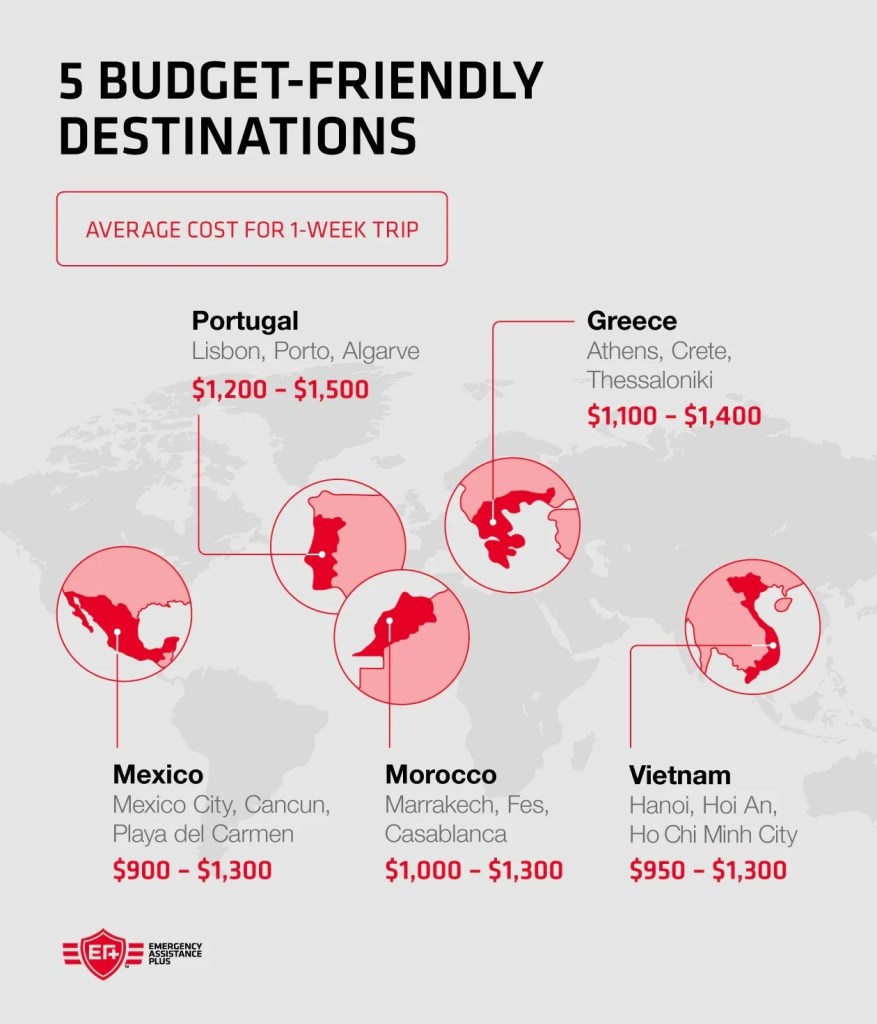
Lodging is often the biggest expense on a vacation, especially when it comes to luxury options—a vacation rental’s median cost is $314 per night. However, there’s a wide range of accommodation types travelers can choose from, depending on their budget and travel style.
Hotels are the gold standard of travel, and whether you stay at a chain or an independent lodge, you can expect certain amenities, like an attendant at the front desk and predictable check-in and check-out times. Hotels are also widely available, which gives travelers plenty of options.
Here are average U.S. hotel costs to keep in mind:
Airbnb and other vacation rental options give travelers a bit more freedom and variety, and it’s easy to find rustic, quirky, or outlandishly luxurious escapes. Vacation rentals often cost more than neighboring hotels since they don’t have the financial infrastructure that chains use to keep costs low, but you can often find good deals, especially for rooms.
These are the average costs for U.S. vacation rentals:
Hostels are both a great way to save money and meet new people, and while they’re often filled with younger travelers, many accommodate a variety of guests. Each hostel bed or room is configured differently, which affects the price. For example, a 12-bed room may be more affordable per guest than a four-bed room.
Here are averages for hostel beds and rooms:
Travel is all about getting around, and with so many options, you can choose the method that works best for you and your budget.
Transportation expenses can add up quickly, and rates fluctuate based on your destination, the season, and how far in advance you book your car, flight, or cruise.
Bus and train tickets are popular choices for budget travelers, but longer routes get expensive and take a significant amount of time. While flights bring vacationers to their destination in a fraction of the time, they come at a greater cost. Cruises sit in the sweet spot, blending transportation and entertainment into a single, seamless experience.
If you’re comfortable with long hours on the road, renting a vehicle is best. Road trips are ideal for nature lovers seeking a slower pace of travel and can save money for groups and families, as car rentals often have a flat rate regardless of the number of passengers.
Even with careful planning, unexpected transportation costs can add up, especially during a medical emergency. A travel assistance plan like EA+ can help offset those costs and provide protection when you need it most.
When asking yourself, “How much does the average vacation cost?” you probably think about lodging and transportation expenses first. But food should have a solid place in your travel budget. The region of your choice plays a major role—destinations like Denmark have a reputation for expensive dining, while countries like Mexico offer more affordable street and restaurant dishes.
Budget travelers spend an average of $37 on food per day. They prioritize local markets, street vendors, and low-cost restaurants. Mid-range travelers spend an average of $96 on food per day, dining on a blend of street food and casual restaurants. High-end travelers enjoy the occasional mid-tier meal but indulge in regional delicacies and popular eateries, spending $252 on food per day.
Activities bring a trip to life, and whether you choose free, low-cost, or bucket-list entertainment, it’s important to consider pricing beforehand. Budget travelers spend an average of $18 on activities per day, opting for complimentary tours, hikes, and days at public beaches.
Mid-range vacationers invest in shows and excursions, while keeping costs down by adding in a few free or low-cost activities. They spend an average of $56 per day. Luxury travelers spend an average of $194 per day, seeking entertainment at top dollar with occasional casual selections.
U.S. travel costs decreased by 3% in 2025, according to NerdWallet. However, individual travel categories change all the time—so while airfare may rise, car rental prices may decrease. These shifts may seem random, but are based on a few key factors that influence vacation costs.
Choose which factors feel like the priority and stay open-minded to others to find the best value when planning a trip. For example, the average Disney World vacation cost is much higher during peak months like July, but if visiting the amusement park is a must, consider going in spring or fall for a more reasonable rate.
How much do vacations cost? To a degree, that depends on your know-how. Understanding when, where, and how to book your trip can lead to dramatic savings with research and patience. A well-planned vacation puts money back in your pocket so you can indulge in extra adventures or souvenirs.
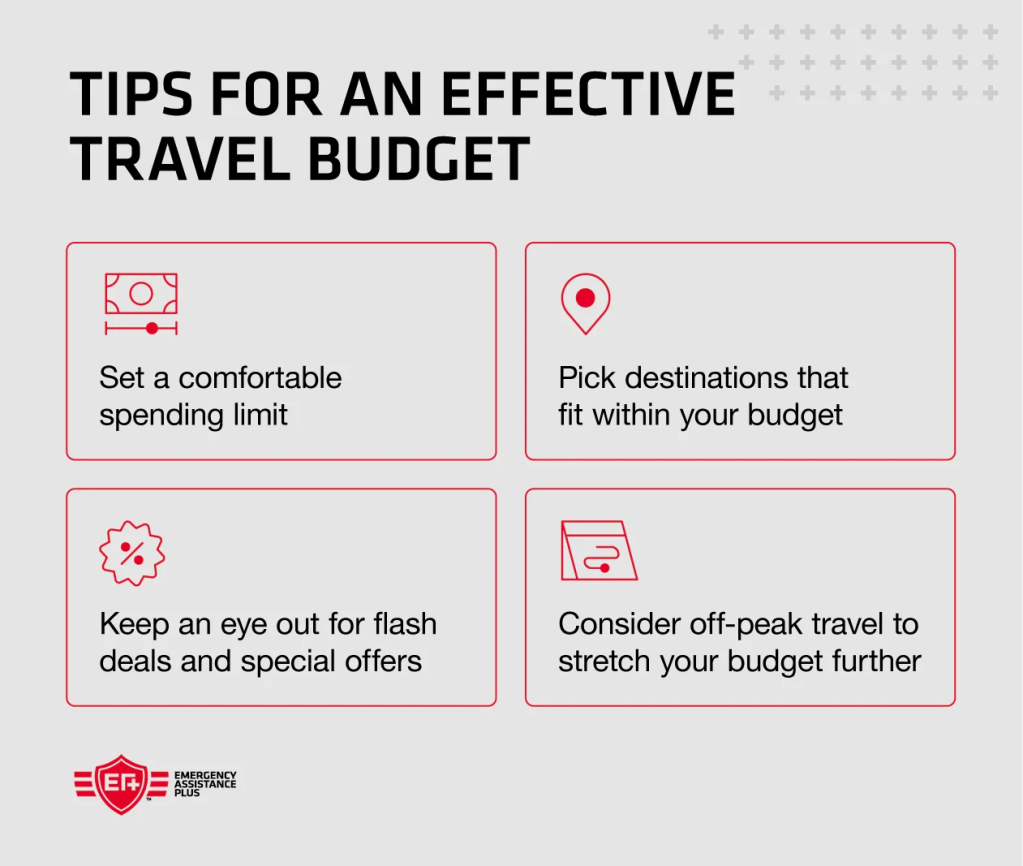
High-season travel is popular for a reason. It’s when the weather is warm, destinations are alive with festivals and programming, and children are out of school. When traveling north of the equator, high season typically falls during the summer months; locations in the southern hemisphere experience high season during winter.
You can save a significant amount of money by opting for shoulder season (spring or fall), when peak crowds haven’t arrived and the weather tends to be mild and enjoyable.
For even more savings, consider traveling during the low season, which typically occurs in the winter months, with a few exceptions, such as coveted skiing destinations. There’s a bit of compromise that comes with these bookings, since many businesses are closed during this time. But with diligent research, you can likely find several weather-appropriate activities in your destination of choice.
Booking early keeps costs low, as it allows for higher availability and lower urgency. Travelers should book domestic flights at least two months in advance and international flights five months in advance.
Booking flights and hotels with miles and points can also drastically reduce costs, sometimes making travel nearly free. Points and miles are most often earned on credit cards and can be redeemed at most major airlines and hotel chains.
To keep things simple, companies like Capital One earn points that can easily “wipe out” any purchase, so you don’t need to worry about brand-specific redemptions or other red tape. You can use points for flights, accommodations, tours, and rail and bus costs.
Traveling with a friend, partner, family members, or a large group offers opportunities to reduce costs. Buying food in bulk can save a significant amount of money, especially if you can cook in your accommodation.
Sharing hotel rooms or multi-room vacation rentals can also significantly reduce the price, and oftentimes, the larger your group, the better a deal you can get on a big cabin or home that everyone can share.
Keep in mind that it’s best to book early when traveling in groups, as availability may be limited depending on seasonality and your destination.
Whether you’re headed to one of the most dangerous countries to visit or enjoying a relaxing domestic trip, it’s essential to consider travel assistance for protection in case of a medical emergency.
Unfortunately, accidents are always a possibility. Recent cruise statistics show that in the first three months of 2025, 48 criminal cases were reported on cruise ships, which can leave those aboard feeling vulnerable. And even if you’re diligent with your Mexico City safety tips and research, a natural disaster can strike when you least expect it.
While travel insurance or travel assistance programs are an additional investment, these services can dramatically lower out-of-pocket medical or long-distance medical transport costs.
Travel insurance reimburses members for medical expenses and trip delays, while travel assistance programs like EA+ offer protection for medical transportation and repatriation and manage logistics on your behalf. About 36% of travelers purchase travel protection plans for that peace of mind.
Learn moreWhile average vacation costs depend on a variety of factors, your level of preparedness in case of an emergency is important, too. Unexpected costs like medical issues or natural disasters can turn a relaxing vacation into a frustrating experience that can tack on thousands of dollars in additional expenses.
Proactive travel assistance programs like EA+ prepare travelers with straightforward annual plans that offer protection for a wide variety of situations, that also include bringing you to adequate medical facilities in an emergency.
One low annual membership fee protects all your trips, offering support with larger emergencies, such as long-distance medical transportation, and smaller issues, like forgetting your medication.
Enroll nowHere are some of the most commonly asked questions about vacation costs so you can make the best decision when booking your next trip.
The average cost of a one-week vacation for one traveler in the United States is $2,275. This equates to $325 per night, with $263 spent on hotels, $96 on meals, and $46 on transportation.
The cost of a week-long vacation for a family of four is $9,100, with all travel expenses considered. Factors such as sharing a rental car or hotel room can dramatically reduce costs, as well as group or family discounts.
The average cost of a vacation to Hawaii is $2,751 per person, assuming the trip is a week long. The average cost for two travelers is $5,502, including food, transportation, accommodations, and activities.
Yes, $5,000 is often enough to cover a full vacation for a couple or even a small family for shorter or budget-friendly trips. Keep in mind that travel costs vary greatly depending on your destination and travel style.
Christine leads the digital and online experiences for Emergency Assistance Plus (EA+) and strives to delight visitors with engaging content and intuitive design. Christine is an avid backpacker, having recently completed the Colorado Trail and can often be found road tripping around the U.S. in her camper van, exploring beautiful destinations. A longtime EA+ member herself, Christine feels confident when traveling to new locations, because she knows that she’ll be protected if a medical emergency occurred while away from home.


Travel Tips · January 6, 2026

Travel Tips · January 5, 2026

Travel Tips · November 28, 2025

Travel Tips · November 26, 2025

Travel Tips · October 31, 2025

Travel Tips · October 30, 2025
